
Articles & Blog
Explore our Health & Wellness Blog—a thoughtfully curated space where expert insights and practical guidance come together to support your journey toward vibrant living. From nutrition and mental well-being to spiritual health and lifestyle tips, our articles are here to inspire and empower you every step of the way.


Consistency Over Knowledge: What My Own Weight Loss Journey in Perimenopause Taught Me
Sustainable weight loss during perimenopause often depends less on knowing what to do and more on building consistent habits that fit real life. Daily accountability, greater awareness around emotional eating, and small changes can support lasting weight management, brain health, and healthy aging.

Resilience After Cancer: A Conversation with Dr. Liz Hart
Cancer survivorship involves far more than finishing treatment. Long-term healing often requires addressing nutrition, movement, sleep, stress, emotional health, relationships, and spiritual well-being to restore resilience and improve quality of life.

Healing Has an Order: A Conversation with Dr. Lauren Deville on the Body's Design
The body heals most effectively when foundational issues are addressed before more advanced therapies. A thoughtful, whole-person approach that considers environment, nutrition, nervous system health, and faith can help support lasting wellness.

The Blood Sugar Brain Connection: What Your Genes Reveal About Your Cognitive Future (Part 2)
Genetic testing becomes most valuable when paired with personalized coaching that helps translate complex results into practical daily habits. Small, targeted lifestyle changes based on individual biology can improve blood sugar balance, support brain health, and foster long-term resilience.

Meet Carol McCarthy: Our Functional Genomics Coach on Blood Sugar, Genetics, and Brain Health
Genetics can provide valuable insight into how the body processes blood sugar, but lifestyle choices have a powerful influence on long-term health outcomes. Understanding individual genetic patterns can help personalize strategies to support brain health, energy, and metabolic wellness.

Migraine Is More Than Just a Headache: A Conversation with Dr. Amelia Scott Barrett
Migraines are a complex neurological condition influenced by brain chemistry, inflammation, hormones, mitochondrial function, and vascular health. Identifying and addressing the underlying causes can help improve symptoms while supporting long-term brain health and cognitive resilience.

You're Tired — But Not Just Because You Need More Sleep
Persistent fatigue is not always a sign that you need more sleep. Different forms of depletion, including physical, mental, emotional, sensory, creative, social, and spiritual exhaustion, can all contribute to feeling drained even when sleep seems adequate. Understanding which type of rest is missing can help restore energy, improve resilience, and support overall health and well-being.

Five Things I'm Doing Right Now to Protect My Brain
Protecting long-term brain health involves consistent attention to foundational habits that support cognitive function and overall well-being. Prioritizing quality sleep, nurturing meaningful relationships, maintaining muscle and physical fitness, monitoring key health biomarkers, and cultivating spiritual purpose can all contribute to healthier aging. Small, sustainable changes in these areas can help build resilience and support cognitive vitality for years to come.

When Anxiety, Depression, and Brain Changes Show Up Together
Anxiety, depression, and cognitive changes often occur together because they can share common underlying biological drivers such as inflammation, infections, metabolic dysfunction, hormonal imbalances, toxic exposures, vascular issues, and trauma. Rather than viewing these symptoms as separate conditions, a root-cause approach explores how interconnected systems throughout the body may be affecting brain health and emotional well-being. Addressing these underlying factors can help create a clearer path toward improved cognitive function, mood, and overall resilience.

Can Cognitive Decline Be Reversed? What the Latest Science — and My Clinical Experience — Say
Cognitive decline is often driven by multiple underlying factors, including inflammation, metabolic dysfunction, poor sleep, chronic stress, gut imbalances, and vascular changes rather than aging alone. Emerging research and clinical experience show that early cognitive decline and mild cognitive impairment can often improve when these root causes are identified and addressed. A comprehensive, personalized approach focused on brain health, lifestyle, metabolic function, and meaningful connection can help support cognitive resilience and quality of life.

What Your Thyroid May Be Trying to Tell You: A Conversation with Dr. Nicholas Hedberg
Many people with thyroid symptoms continue to struggle despite normal lab results or standard thyroid medication because underlying factors may be overlooked. Autoimmune thyroid disease, gut health imbalances, nutrient deficiencies, chronic infections, environmental toxins, and stress can all play a significant role in thyroid function. A root-cause approach focuses on identifying and addressing these contributing factors to support better energy, metabolism, cognitive function, and overall well-being.
.png)
Brain Vitality Blueprint: How to Prevent Cognitive Decline & Flourish in Midlife & Beyond
Drawing from personal experience and training with Dr. Dale Bredesen, the author highlights the limitations of conventional medicine in preventing cognitive decline. This article introduces a functional medicine framework called "Re-Think Aging," which targets modifiable lifestyle factors, epigenetics (such as managing the APOE4 gene), environmental exposures, and the gut-brain connection. Through a three-pillar process—Uncover, Rebuild, and Sustain—the text demonstrates how addressing cellular-level root causes can halt, slow, or reverse cognitive impairment.
.png)
Caring for a Parent with Alzheimer’s: 10 Must-Know Tips for Families #ReThinkAging
This article offers a comprehensive, compassionate guide for individuals caregiving for a loved one with Alzheimer's disease. It blends practical communication strategies, like using humor, with foundational medical insights regarding how the disease affects the hippocampus and frontal lobes. The author emphasizes the importance of early hard conversations, proactive legal planning, and investigating potentially reversible causes of memory loss. Finally, the text underscores the critical need for caregiver self-care, proactive grieving, and building a supportive team to sustain resilience.

When Your Soul is Tired: Root Causes of Burnout and the Path to Recovery
Reflecting on personal experiences and a podcast discussion, this article explores the nature of burnout, particularly how it affects deeply caring individuals, perfectionists, and people-pleasers. It identifies burnout as an occupational phenomenon distinct from normal stress and offers actionable strategies for recovery. These include establishing spiritual rhythms like Sabbath keeping, prioritizing sleep, practicing intentional calendaring, setting healthy boundaries, and fundamentally shifting one's identity from performance-driven to inherently valued

Why Exercise May Be the Most Powerful Longevity Tool We Have
Exercise plays a critical role in longevity by supporting strength, cardiovascular health, and overall functional independence. Focusing on proper movement patterns and foundational skills like breathing can improve performance, reduce injury risk, and enhance long-term well-being. When combined with a clear personal purpose, consistent movement becomes a powerful tool for maintaining vitality and quality of life.

Rewiring the Brain for Healing, Resilience, and Healthspan
Brain health is shaped by a combination of thoughts, emotions, habits, nutrition, and environment, all of which influence resilience and long-term well-being. Neuroplasticity allows the brain to heal and adapt, making it possible to overcome trauma and improve mental and emotional function over time. Small, consistent changes—supported by awareness and personalized care—can create meaningful progress toward better cognitive health and overall vitality.

Flourish: An Invitation Into a Sacred Pause
Many women in caregiving and service roles experience gradual burnout from consistently putting others first. Creating intentional space for rest, reflection, and spiritual renewal helps restore energy, clarity, and emotional resilience. A proactive approach to self-care allows women to continue serving from a place of strength rather than depletion.

Overstimulation vs. Overwhelm: Finding Peace in a Noisy World
Overstimulation and overwhelm are common responses to modern life, driven by constant input, responsibilities, and disrupted natural rhythms. While overstimulation comes from excessive sensory input, overwhelm stems from emotional and cognitive overload, both impacting the nervous system and overall well-being. Developing awareness, incorporating rest, and creating intentional pauses can help restore balance, clarity, and resilience.

Reflections on Ireland & Spiritual Practices That Refresh the Soul
Intentional pauses and simple spiritual practices can help restore clarity, peace, and connection in everyday life. Time spent in reflection, journaling, prayer, and nature allows for deeper awareness and renewal without needing elaborate routines. Even small, consistent moments of stillness can create meaningful shifts toward greater balance and spiritual well-being.

The Fat Your Brain Might Be Missing: Essential Fatty Acids, Mood, and the Surprising Story of C15
Targeted nutrition can play a powerful role in brain health, mood stability, and healthy aging by supporting the integrity of cell membranes. Emerging research highlights the importance of essential fatty acids—not only omega-3s, but also lesser-known fats like C15 that may influence cellular resilience, energy, and emotional balance. Understanding what your body may be missing allows for a more personalized, data-driven approach to feeling steadier, clearer, and more supported from the inside out.

True Health and Joy: A Brain-Healthy Path to Flourishing as You Age
Brain health and vibrant aging are shaped by far more than genetics, with daily choices influencing resilience, mood, and cognitive clarity over time. By addressing root causes, optimizing lifestyle inputs, and prioritizing joy and connection, it’s possible to support a longer health span and a clearer, more adaptable mind. True flourishing comes from caring for the whole person—body, brain, and spirit—so health creates space for purpose and connection rather than fear.

“A Lab in a Mouse”: How Brain Gauge Lets Us Measure (and Train) Brain Fitness
New technology now makes it possible to objectively measure how well different parts of the brain communicate—and to actively train those connections over time. Using precise sensory testing, Brain Gauge provides performance-based insights into speed, focus, accuracy, and neuroplasticity, offering a clear picture of brain fitness. With consistent training, many people can strengthen functional connectivity, track progress, and support long-term cognitive resilience as they age.

Redemption: When Healing Becomes Personal
Healing sometimes begins when we listen to the quiet discomfort that signals misalignment between our calling and how we are living it out. Through faith, reflection, and the courage to choose a more integrated path, personal restoration can unfold alongside professional purpose. Redemption emerges when tending to the soul becomes part of the healing journey, creating space for joy, meaning, and wholeness.

Hormones and the Brain: Why Brain Fog, Mood Swings, and Poor Sleep Are Signals—not “Just Aging”
Hormonal shifts can significantly influence brain function, affecting memory, mood, sleep, and overall sense of well-being at every stage of adulthood. Estrogen, progesterone, and testosterone play essential roles in cognitive clarity, emotional balance, and nervous system regulation, and imbalances often signal a need for targeted support rather than inevitable decline. With the right lifestyle foundations—nutrition, movement, rest, and stress regulation—hormonal health can be restored in ways that support both brain vitality and long-term resilience.
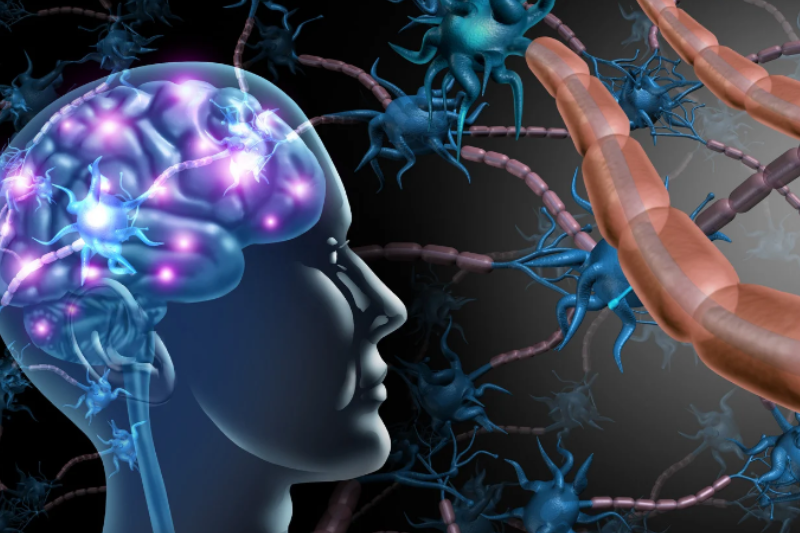
Guarding Your Brain: 10 Strategies to Protect Your Vascular Health
Brain health depends heavily on the strength and integrity of the blood vessels that deliver oxygen and nutrients while clearing metabolic waste. Protecting the endothelial lining through targeted lifestyle strategies—such as optimizing blood pressure, blood sugar, nutrition, sleep, and stress—can reduce the risk of cognitive decline, stroke, and dementia. Consistent daily habits, guided by personal purpose, are key to preserving vascular health and long-term brain resilience.